
UK High Streets Remain Under Pressure This Christmas — What It Means for Town Centres and Communities
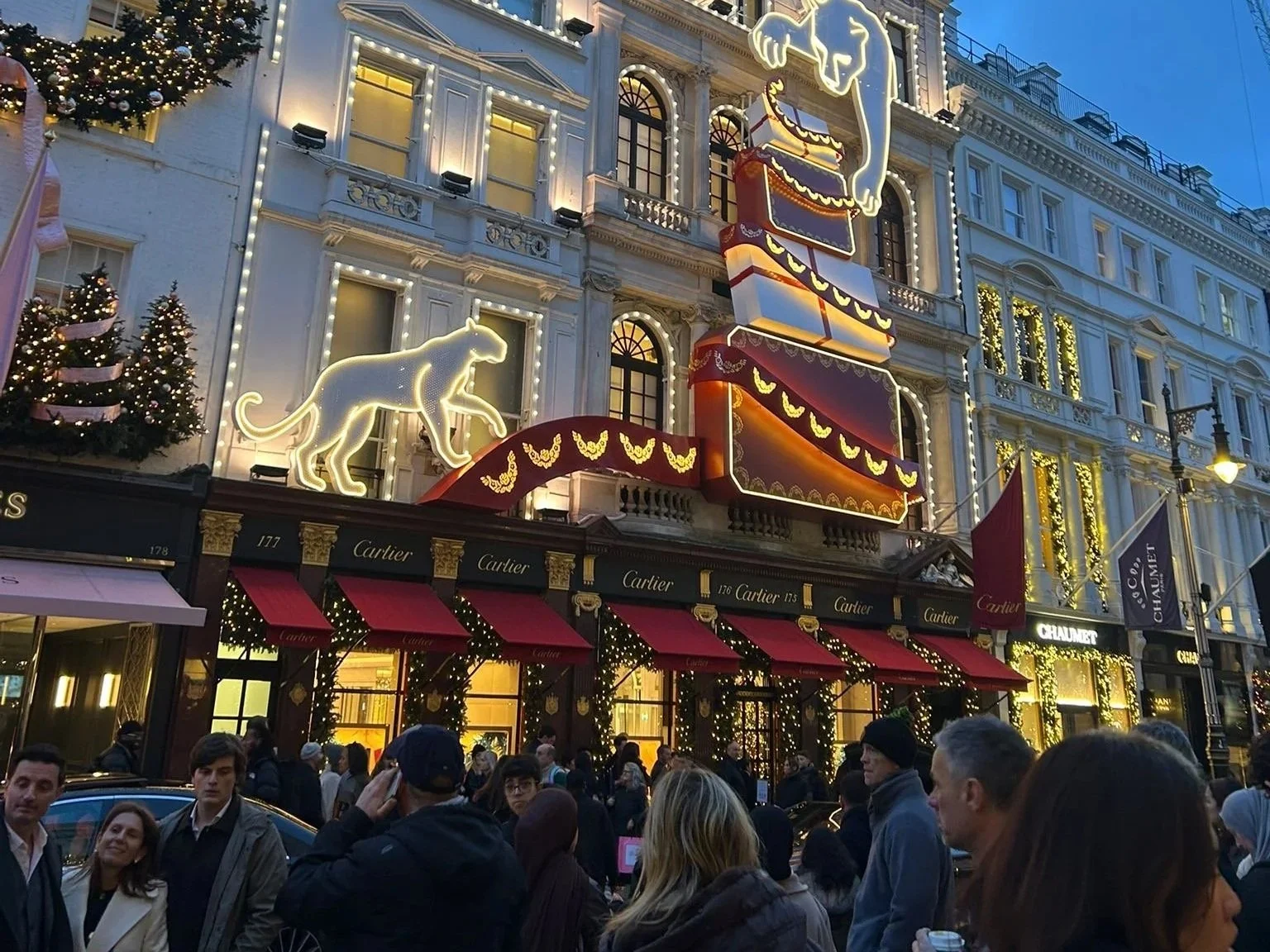
According to Retail Week new data showed that the ‘strongest footfall performance in a decade was recorded on Boxing Day, climbing 4.4% year on year across all retail destinations.’
The BBC reported a similar picture, indicating shoppers made a ‘last minute surge’ to town and city centres tying shopping in with socialising and providing a welcomed boost to our hospitality industry. This underpins the notion that people are seeking an experience and social connections when shopping – something which cannot be achieved online.
Long before Christmas was introduced, people exchanged gifts at midwinter festivals to make surviving the darkest part of the year easier and to reinforce community bonds. It could be argued then that Christmas amplified these traditions rather than inventing them and as times get tougher, shoppers are reverting to this sentiment.
Shopping itself has become an important ritual helping us to mark the time as being different to ordinary life. Christmas acts, rather than just everyday purchases, encourage people to slow down, families and groups to come together and to wander rather than carry out point-to-point shopping.
High streets and individual retailers that focus and invest in creating experiences to encourage dwell time, will have no doubt benefited from higher more impulsive spend as people bought in to the moment, enjoying the sense of occasion.
Ralph Lauren’s holiday experience at London's Sloane Square included a meet and greet with Father Christmas, cookie decorating and wreath making workshops. This activation is said to have significantly boosted brand visibility, social engagement contributed to strong sales momentum pushing shares to record highs.
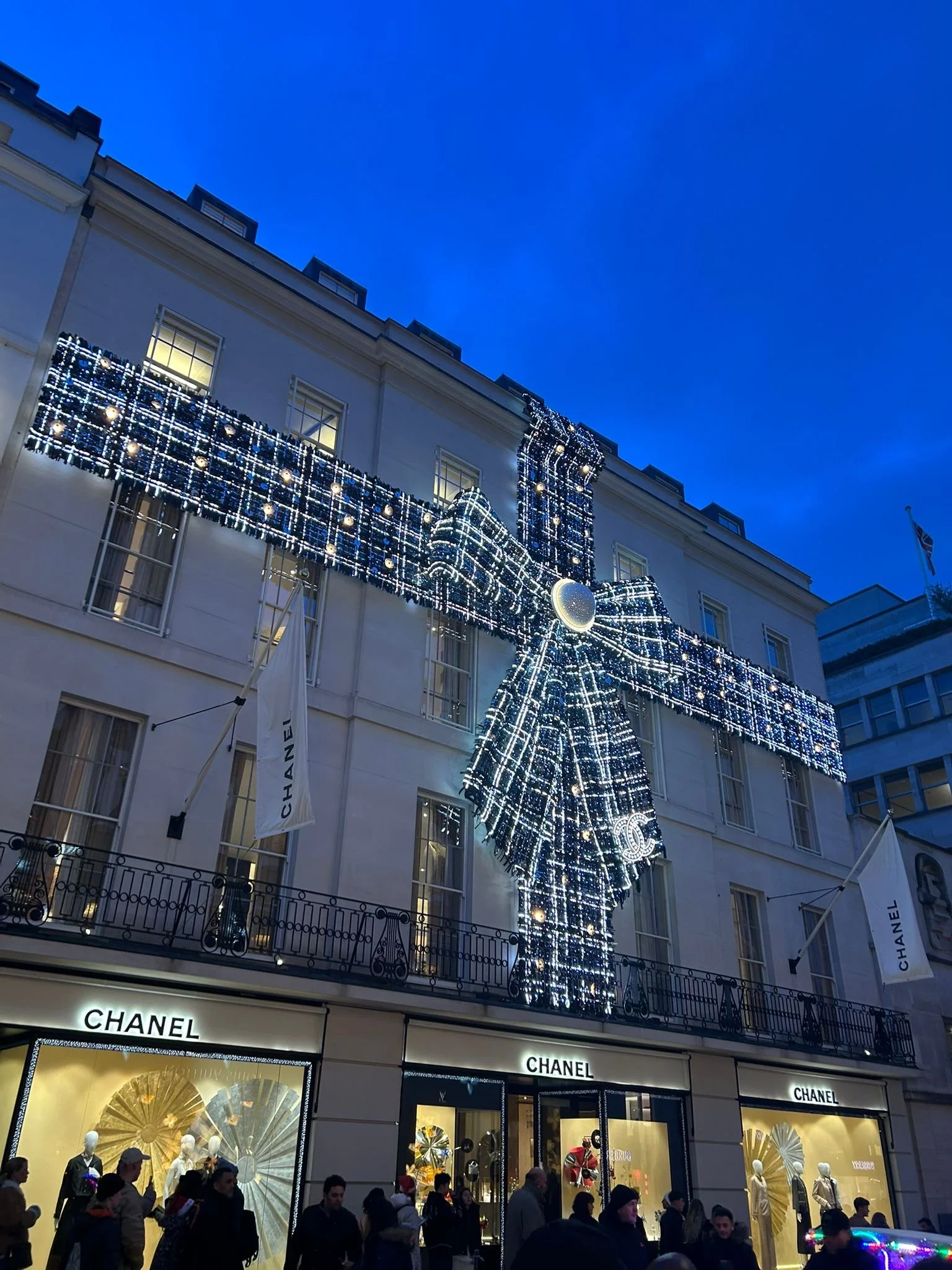
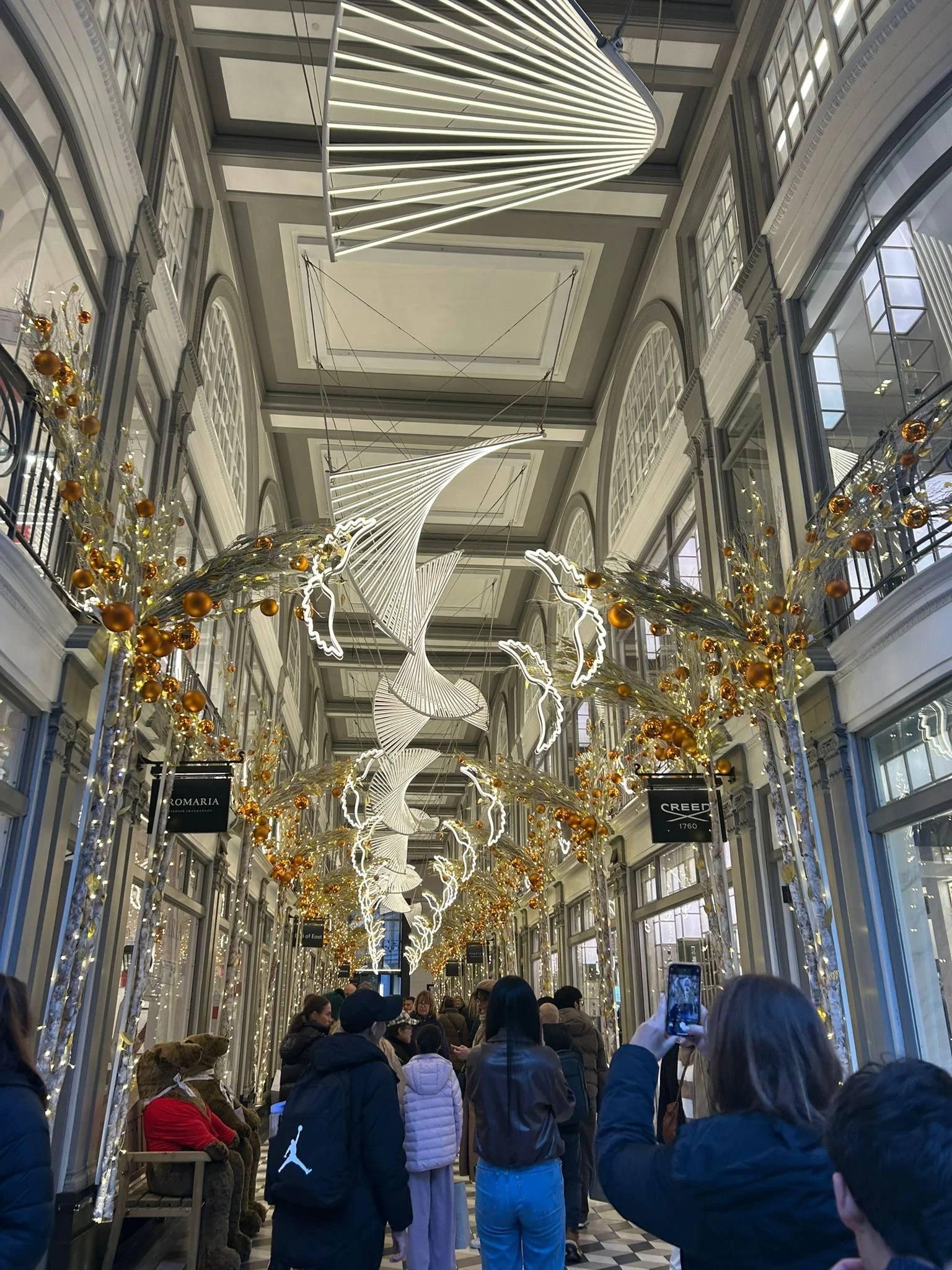
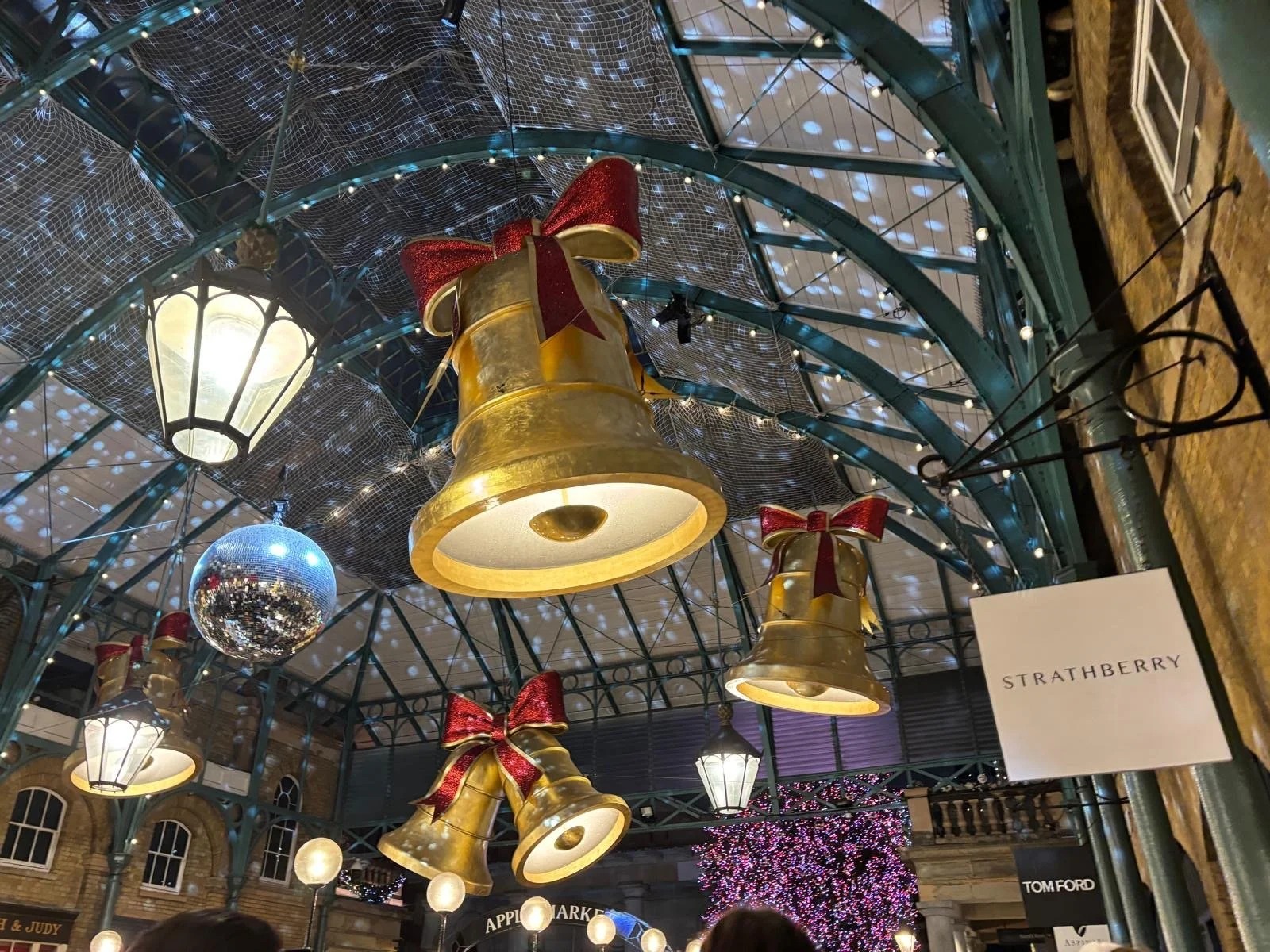
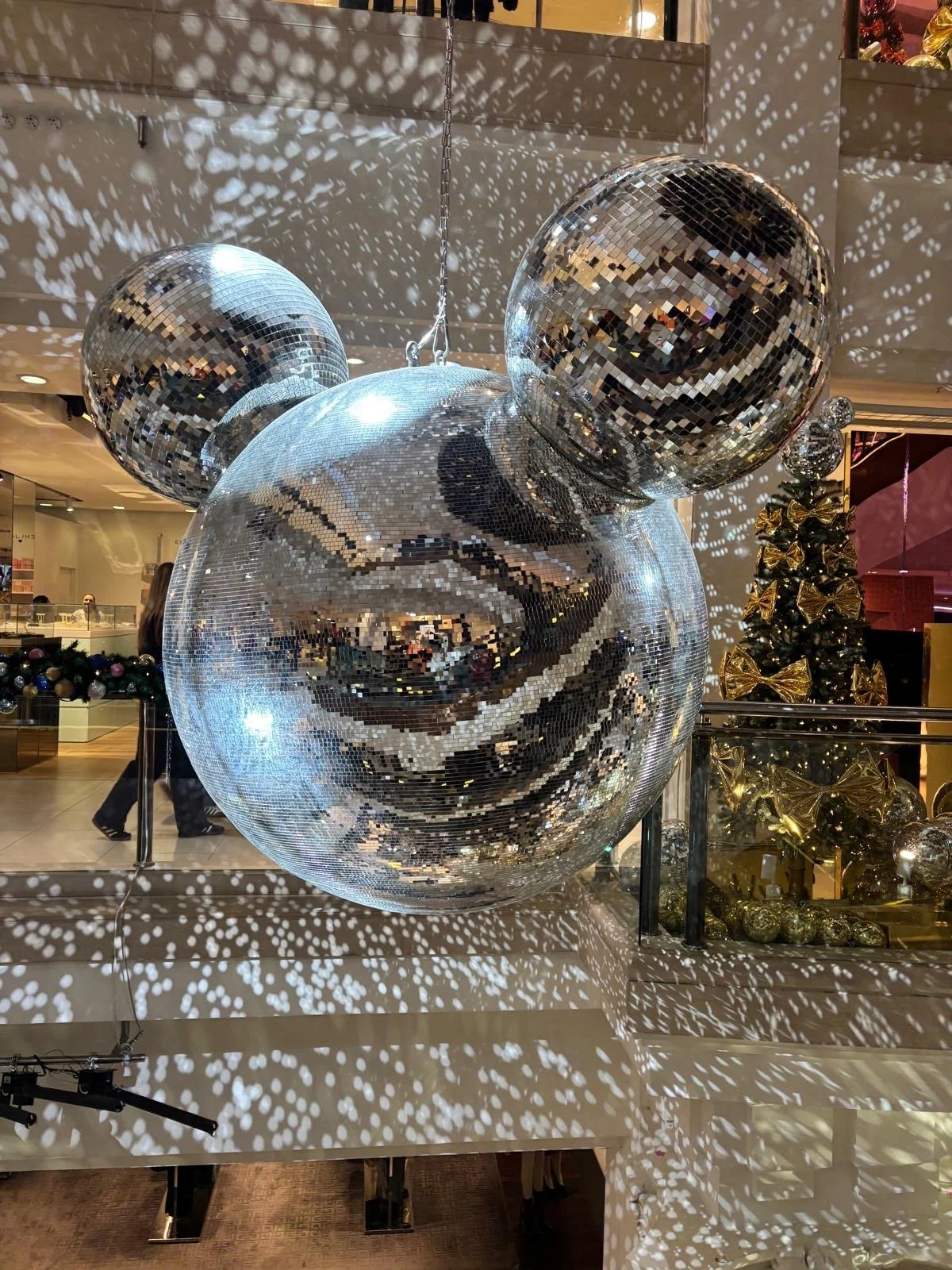
Studies have repeatedly shown that the visual appeal of Christmas decorations can encourage a significant increase in footfall and dwell time thus increasing the likelihood of spend.
On the fourth Friday of November, footfall was up 9% in London’s West End compared to 2024, according to data from the New West End Company (NWEC). Across Black Friday week, it was up 4.1% and the following week up by 6.2%.
The weekend of 6 and 7 December was also busy due to the pedestrianisation of Regent Street and live performances which took place on Oxford Street (BBC News).
Retail Christmas performance – a snapshot
As well as being crowned the UK’s most trusted retailer by a survey undertaken by GlobalData, M&S also reported that a record number of customers shopped with them in the run up to Christmas. The company reported in the 13 weeks leading up to 27 December food underlying sales increased by 6.6% while like for like sales increased by 5.6%.
Tesco also reported strong Christmas food sales stating that in the six weeks running up to 3 January, an uplift of 3.2% was seen in growth compared to 2024.
Aldi recorded a ‘best ever’ Christmas with sales increasing by 3% year on year to £1.65bn over the four weeks leading up to Christmas Eve, plus an overall increase by more than 5%.
Lidl also reported 51 million visited its stores, contributing towards a ‘record breaking Christmas’.
Next raised their profit forecast to £1.15bn after a bumper Christmas sales period but warned that UK sales were unlikely to grow as quickly this year, due partly to rising unemployment.
The Cotswold Company boasted an impressive 17% growth with sales totalling £23.2m in the run up to Christmas.
Greggs posted a 7.4% increase in sales for the last quarter of the year despite ‘challenging’ market conditions.
Retail outlook for 2026
According to Retail Gazette, 2026 expects to see an ever-growing blended retail experience with consumers engaging with shops and services how they choose. Whether that’s the convenience of online purchasing or the expertise and excellent customer service offered in-store.
Loyalty and trust remain critical for business success and with spend being lower, brands are going to be increasingly competing for this.
2026 is believed by some experts to be the comeback year with high streets and town centres becoming bustling, vibrant community hubs.
Despite store closures, the Government’s Pride in Place initiative allows local people to have a greater say in the future of their town and city centres.
Our high streets are constantly evolving with consumer habits, but they have always, provided a space for people to meet, shop and connect with each other.
Until next time,
The MPW Team