
From streets under the hammer to business rates support
We take a look at some of the interventions taking place to transform our high streets.
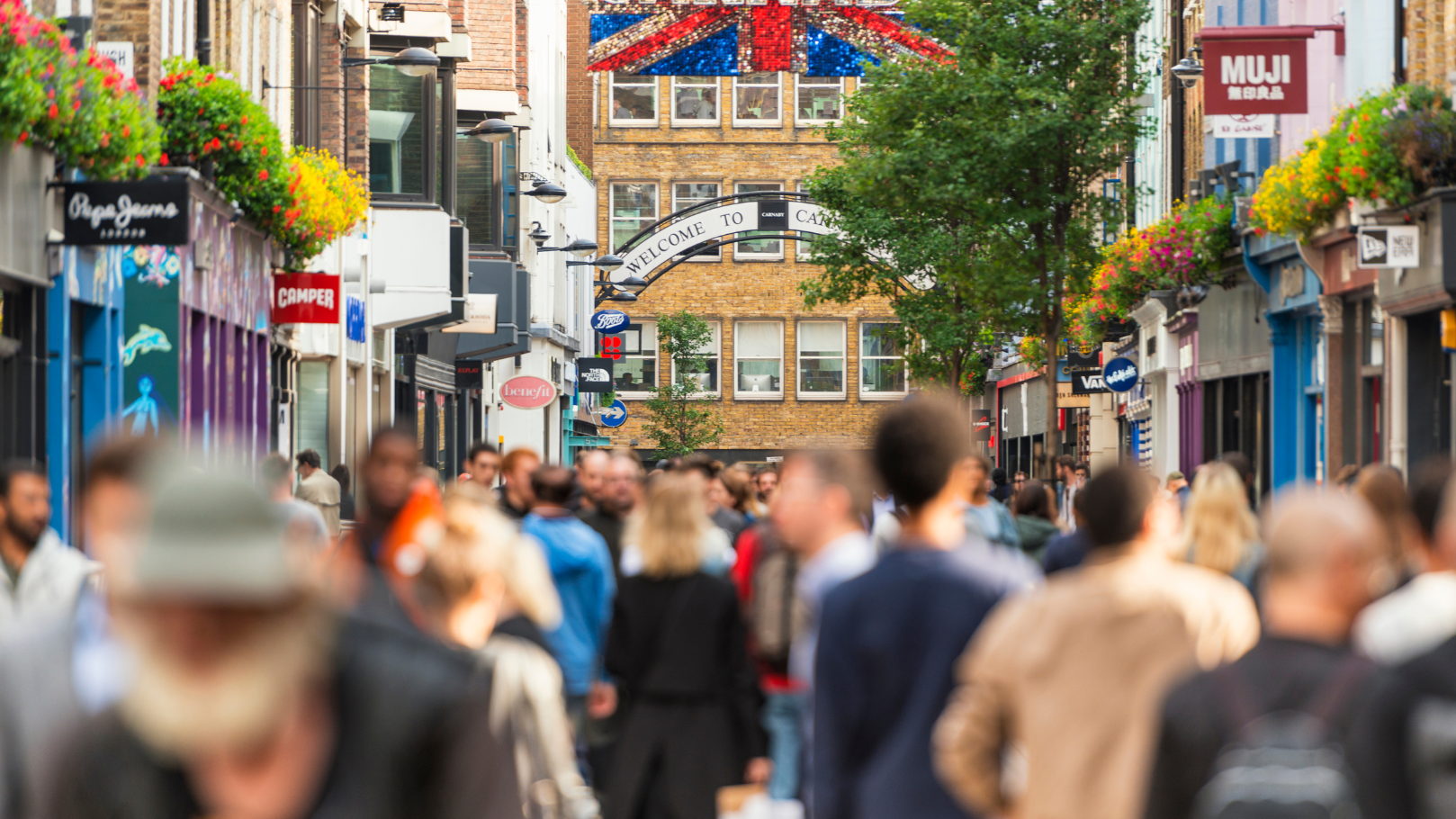
For decades, the high street has served as both a vital economic driver and a social cornerstone - a focal point for trade, connection and local identity. Yet structural shifts in retail, the growth of online shopping and the lasting effects of the pandemic have exasperated long-standing issues found in town centre economies.
In response to this, government has stepped in with a package of funding, planning system changes and new powers aimed at revitalising high streets and restoring confidence.
From April 2026, the UK Government will replace the temporary Retail, Hospitality and Leisure relief with permanently lower business rates multipliers for eligible properties with a rateable value below £500,000, alongside additional transitional support.
It was also recently announced that qualifying pubs and live music venues in England will receive a 15% reduction on their business rates bill, while in Wales eligible hospitality businesses will receive a similar 15% relief, providing a welcome boost for the sector.
High Street Rental Auctions have been introduced in England over the past year, with several local authorities acting as early adopters of these new powers. Designed to tackle persistent vacancy, the scheme enables councils to intervene where commercial units have remained empty for more than 12 months.
Under the legislation, local authorities can serve notice on landlords of vacant properties and if no tenant is secured, proceed to auction the lease inviting bids from businesses and community organisations.
Public–private partnership models are also playing a transformative role in revitalising the high street by combining public sector leadership with private sector expertise and investment. MPW Group is working actively with both public and private sector partners to revitalise places across England and Wales.

Councils can bring long-term vision, place stewardship and access to funding streams that can de-risk projects, while private partners contribute capital, commercial insight and the ability to move at pace. Together, this enables more ambitious, mixed-use regeneration schemes that go beyond cosmetic improvements leading to greater confidence in town centres.
Crucially this partnership approach can help balance commercial viability with social value. While private partners focus on delivering sustainable income and active asset management, local authorities can ensure schemes support community priorities such as independent businesses, job creation and improved public realm. The result is not just physical renewal, but a more resilient and curated high street, one that blends economic performance with long-term place-making.
This balanced, partnership-led approach sits at the heart of our ethos. We believe successful high streets are not defined by rental income alone, but by the strength of their communities, the diversity of their businesses and the quality of the places they create.
What are the MPW views to unlocking healthy high streets:
A strong food and drink offer, an experience you can’t receive through online shopping and one that epitomises being social. A town with a strong food and drink offer often boasts lower vacancy rates and helps build strong communities.
Dynamic markets, many of our successful traditional market towns thrive because their markets have not been overlooked. Markets are the beating heart of a town and what gives a place its uniqueness.
A successful overall economy - high skilled, high wage jobs create higher disposable income levels to support the local high street businesses. Town centres cannot be ‘fixed’ in isolation.
Creative destination marketing campaigns, a town that’s backed with proactive PR and marketing activity tends to perform better as businesses feel supported and like they belong. Building pride in place is more than a logo it’s a feeling someone gets when they visit and what they tell others about their experience.
The high street is evolving and more so than ever it takes an innovative and collaborative approach from all stakeholders to address the specific challenges an area is faced with.